Vastu Tips for Dead End Houses
Balancing energies in dead end houses for harmony and positivity
Introduction
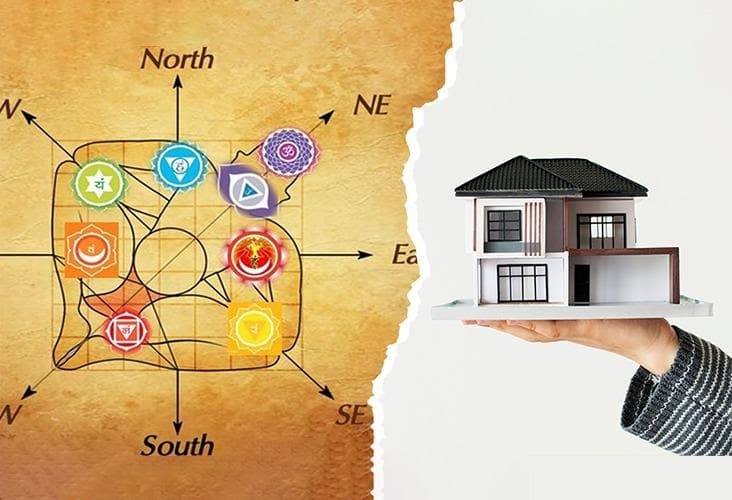
In the ancient Indian tradition of Vastu Shastra, a house at a dead end is considered a challenging placement. The concept of Vastu emphasizes the importance of balancing energies in a given space to promote harmony and positivity. A house situated at a dead end can face difficulties in attracting and retaining positive energy, leading to potential imbalances in various aspects of life. Understanding and applying Vastu principles specifically tailored for such placements can help mitigate these challenges.
What is house at dead end as per vastu?
A house at a dead end, according to Vastu Shastra, refers to a residential property located at the termination of a road or street. This placement is considered inauspicious due to its inability to receive and circulate positive energy (chi) effectively. The concept of 'Veedhi Shoola' or 'road arrow' also applies here, suggesting that the dead-end positioning can concentrate negative energies towards the house.
Key Vastu Principles for house at dead end as per vastu
When analyzing a house at a dead end with Vastu Shastra, several key principles are crucial:
Direction Rules
- Ensure the main entrance does not face directly towards the dead-end to avoid receiving concentrated negative energy.
- Orient rooms and spaces in harmony with the natural directions to balance elemental energies.
Do's
- Place a mirror or reflective surface opposite the main door to deflect any incoming negative energy.
- Use wind chimes near the entrance to create a sound that can ward off negativity and attract positivity.
- Plant tall trees or place large plants at the dead-end, away from your house, to act as natural buffers against negative energies.
Don'ts
- Avoid placing any water features like ponds or fountains in front of the house, as this can exacerbate the issue of attracting negativity.
- Do not have a heavy metal door at the entrance; instead, opt for wooden doors to reduce the impact of negative energies.
Ideal Vastu Layout / Direction Rules
Designing or arranging your house at a dead end according to Vastu Shastra involves considering specific layout principles:
Room Positions
- Position the master bedroom in the southwest corner of the house, ensuring it does not directly face the dead-end street.
Entrance Rules
- The main entrance should ideally be located on the north or east side to capture positive morning sunlight and to avoid direct alignment with the dead end.
Energy Flow
- Ensure that the interior layout allows for a smooth flow of energy by avoiding clutter, placing furniture wisely, and using colors that promote positivity.
Common Mistakes to Avoid
Small oversights in Vastu Shastra for a house at a dead end can have significant consequences:
- Neglecting the impact of 'Veedhi Shoola' or road arrow on your home's energy.
- Ignoring the importance of balancing elemental energies through proper orientation and placement of rooms.
- Overlooking the need to buffer negative energies with appropriate external remedies like plants or reflective surfaces.
- Failing to consider the entrance's alignment with the dead-end street.
- Not addressing internal clutter and poor layout that can stagnate positive energy flow.
Benefits of Following Correct Vastu for house at dead end as per vastu
By incorporating Vastu Shastra principles specifically tailored for a house at a dead end, you can experience:
- Enhanced positivity and harmony within the household.
- Improved financial stability and growth.
- Better health and well-being for inhabitants.
- Increased prosperity and good fortune.
Expert Tips
When applying Vastu Shastra to a house at a dead end, experts recommend:
- Regularly conduct space cleansing rituals to remove accumulated negative energies.
- Use specific colors in interior design that promote positivity and calmness.
- Avoid constructing any structure or placing heavy objects directly opposite the main door.
Conclusion
While a house at a dead end presents unique challenges according to Vastu Shastra, understanding and applying its principles can transform your living space into a haven of positivity. By avoiding common mistakes, incorporating expert tips, and benefiting from the correct application of Vastu, you can create an environment that fosters harmony, prosperity, and well-being.
Table of Contents
Your Ad Here
300 × 250
Your Ad Here
300 × 600
Frequently Asked Questions
Can a house at a dead end ever be considered auspicious?
How does one balance elemental energies in such a challenging placement?
What role does the main entrance play in Vastu for a house at a dead end?
Browse All Blogs On Vastu