Plants to Avoid in Homes per Vastu
Vastu guidelines for plants to avoid indoors for harmony
Introduction
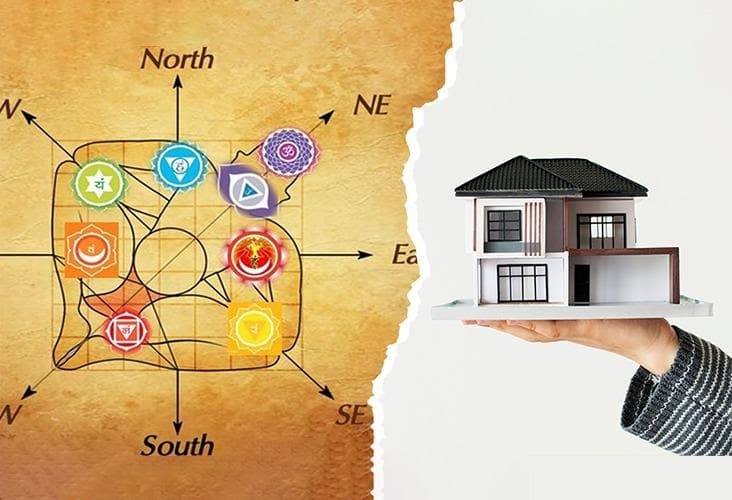
In the realm of Vastu Shastra, plants play a significant role in maintaining positive energy and harmony within a home. Homes are considered sanctuaries, and the presence or absence of certain plants can impact the well-being of its inhabitants. While some plants are believed to bring good fortune and prosperity, others are thought to have negative effects. In this article, we will delve into the concept of 'plants not to grow in house per vastu' and explore the principles of Vastu Shastra that guide their placement.
What is plants not to grow in house per vastu?
'Plants not to grow in house per vastu' refers to the specific guidelines outlined in Vastu Shastra for selecting and placing plants within a home. This ancient Indian architectural science emphasizes the importance of balancing energies and elements to create a harmonious living space. By understanding which plants are deemed auspicious or inauspicious, homeowners can make informed decisions about their indoor gardens.
Key Vastu Principles for plants not to grow in house per vastu
When analyzing 'plants not to grow in house per vastu' with Vastu Shastra, a few key principles come into play:
Direction Rules
- Plants should be placed according to the cardinal directions and their corresponding elements (e.g., east for sunlight and growth).
- Avoid placing plants in areas where they may obstruct natural light or airflow.
Do's
- Choose plants with rounded leaves, such as money plants or snake plants, to promote positive energy.
- Select plants with white or fragrant flowers, like jasmine or rosemary, for their calming effects.
Don'ts
- Avoid planting cacti or succulents in the bedroom, as they may cause restlessness.
- Do not place plants with thorns or sharp edges near entranceways or pathways.
Ideal Vastu Layout / Direction Rules
When designing or arranging for 'plants not to grow in house per vastu', consider the following ideal Vastu layout principles:
Room Positions
- Place plants in areas where they can receive adequate sunlight and air circulation.
Entrance Rules
- Avoid placing plants directly opposite the main entrance, as this may create an obstacle to positive energy flow.
Energy Flow
- Use plants with soft, flowing leaves, like ferns or peace lilies, to promote gentle energy circulation.
Common Mistakes to Avoid
When it comes to Vastu Shastra for 'plants not to grow in house per vastu', small mistakes can have significant consequences:
- Placing too many plants in one area, which may lead to stagnant energy.
- Choosing plants with dark or unusual colors that disrupt the room's aesthetic.
- Neglecting to prune or maintain plants regularly.
- Using artificial or plastic plants, which can create negative vibrations.
Benefits of Following Correct Vastu for plants not to grow in house per vastu
By incorporating the principles of Vastu Shastra for 'plants not to grow in house per vastu', you can experience:
- Enhanced positive energy and harmony within your home.
- Improved air quality and reduced stress levels.
- Increased prosperity and good fortune through the strategic placement of auspicious plants.
- Better sleep quality and overall well-being.
Expert Tips
When working with 'plants not to grow in house per vastu' to apply Vastu Shastra principles, keep the following expert tips in mind:
- Consult with a Vastu expert or conduct thorough research before making any changes.
- Start small and gradually introduce new plants and arrangements.
Conclusion
By embracing the principles of Vastu Shastra for 'plants not to grow in house per vastu', you can create a harmonious and balanced indoor space that promotes well-being and prosperity. Remember to research, consult experts, and be patient when introducing new plants and arrangements. With time and practice, you'll find the perfect balance to enhance your home's energy and beauty.
Table of Contents
Your Ad Here
300 × 250
Your Ad Here
300 × 600
Frequently Asked Questions
Can I grow any type of plant in my home?
How often should I water and maintain my plants?
Can I use artificial plants instead of real ones?
Browse All Blogs On Vastu