Vastu Principles for Islamic Homes
Creating harmonious living spaces in Islam using Vastu Shastra principles
Introduction
In Islam, homes are considered sanctuaries where individuals and families can find peace, comfort, and solace. Vastu Shastra, an ancient Indian architectural science, emphasizes the importance of balancing energies in a home to promote harmony and well-being. By incorporating Vastu principles into Islamic homes, individuals can create a peaceful and serene environment that fosters spiritual growth and family bonding. In this article, we will explore the significance of Vastu for house in Islam and provide practical tips on how to apply these principles to create a harmonious living space.
What is vastu for house in islam?
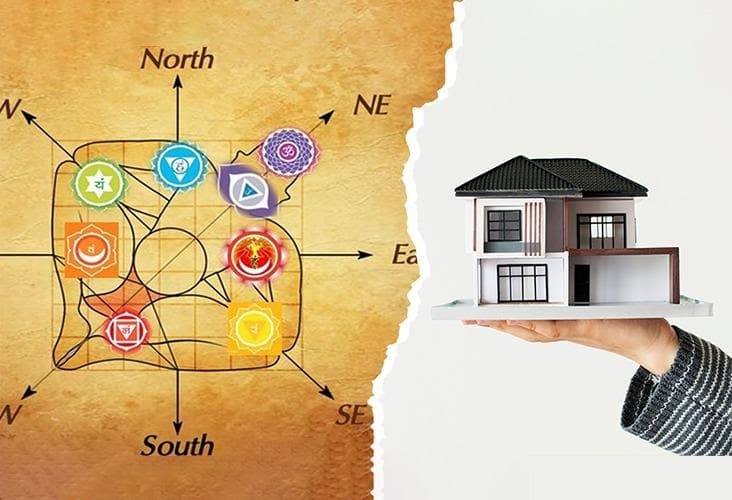
Vastu for house in Islam refers to the application of Vastu Shastra principles to design and arrange homes in a way that promotes positive energy, harmony, and balance. This ancient science emphasizes the importance of aligning buildings with the natural environment and balancing the five elements – earth, water, fire, air, and space – to create a peaceful and serene living space. By incorporating Vastu principles into Islamic homes, individuals can create an environment that supports spiritual growth, family well-being, and overall happiness.
Key Vastu Principles for vastu for house in islam
When analyzing vastu for house in Islam with Vastu Shastra, a few key principles come into play:
Direction Rules
- The main entrance of the home should face north or east to attract positive energy and avoid facing south or west which can bring negative energy.
- The direction of the prayer room (Musallah) should be towards the Kaaba in Makkah, Saudi Arabia.
Do's
- Place a fountain or water feature near the entrance to attract positive energy and create a calming atmosphere.
- Use natural materials such as wood, stone, and plants to bring warmth and coziness to the home.
- Incorporate Islamic calligraphy and geometric patterns into the interior design to add beauty and spiritual significance.
Don'ts
- Avoid placing a mirror opposite the main entrance as it can reflect positive energy away from the home.
- Refrain from using excessive bright colors or bold patterns in the interior design as they can create visual stress and disturb the peace.
Ideal Vastu Layout / Direction Rules
When designing or arranging for vastu for house in Islam, consider the following ideal Vastu layout principles:
Room Positions
- The prayer room (Musallah) should be located in a quiet and private area of the home to promote spiritual focus and concentration.
Entrance Rules
- The main entrance should have a small verandah or foyer to create a transition space between the outside world and the inner sanctum of the home.
Energy Flow
- Create a clear path for energy flow by avoiding clutter, narrow corridors, and sharp corners which can disrupt the natural flow of positive energy.
Common Mistakes to Avoid
When it comes to Vastu Shastra for vastu for house in Islam, small mistakes can have significant consequences:
- Placing the toilet or bathroom near the prayer room (Musallah) which can create negative energy and disturb spiritual focus.
- Using too many bright colors or bold patterns in the interior design which can create visual stress and disrupt peace.
- Neglecting to balance the five elements – earth, water, fire, air, and space – which can lead to an imbalance of energies and negatively impact well-being.
- Not considering the direction of the main entrance which can affect the flow of positive energy into the home.
- Failing to create a transition space between the outside world and the inner sanctum of the home.
- Ignoring the importance of natural light and ventilation in the home design.
Benefits of Following Correct Vastu for vastu for house in islam
By incorporating the principles of Vastu Shastra for vastu for house in Islam, you can experience:
- Improved spiritual growth and focus through a peaceful and serene environment.
- Enhanced family bonding and relationships through a harmonious living space.
- Increased happiness and well-being through balanced energies and positive vibes.
- Better health and wellness through a clutter-free and well-ventilated home design.
- Greater prosperity and success through a balanced and harmonious environment.
Expert Tips
When working with vastu for house in Islam to apply Vastu Shastra principles, keep the following expert tips in mind:
- Consult with an experienced Vastu consultant or architect who has knowledge of Islamic architecture and Vastu principles.
- Consider the unique needs and requirements of your family when designing or arranging the home.
- Use natural materials and elements to bring warmth and coziness to the home.
- Incorporate Islamic calligraphy and geometric patterns into the interior design to add beauty and spiritual significance.
Conclusion
In conclusion, incorporating Vastu Shastra principles into Islamic homes can create a peaceful and serene environment that fosters spiritual growth, family bonding, and overall well-being. By following the key principles outlined in this article, individuals can balance energies, avoid common mistakes, and reap the benefits of a harmonious living space. Remember to consult with experts and apply these principles thoughtfully to achieve optimal results.
Table of Contents
Your Ad Here
300 × 250
Your Ad Here
300 × 600
Frequently Asked Questions
Can Vastu Shastra principles be applied to an existing home?
How does Vastu Shastra differ from Feng Shui?
Can I apply Vastu Shastra principles to my apartment or condo?
Browse All Blogs On Vastu